Acquiring the right set of hand tools can make a world of difference to your DIY or professional projects. With a vast array of options available on the market, choosing the appropriate tools may seem overwhelming. This comprehensive guide will provide you with invaluable tips and tricks to ensure you select the best hand tools for your needs.
Understanding the Basics
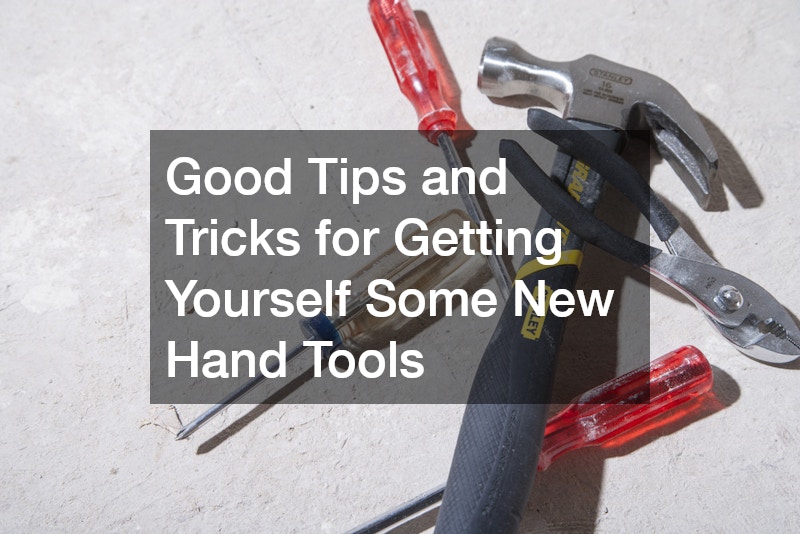
Before diving into the market to purchase hand tools, it’s crucial to understand the basics of what these tools have to offer. Hand tools encompass all non-powered tools, typically used manually, with fundamental examples including hammers, screwdrivers, and pliers. Each tool serves a specific purpose and is designed to deliver efficiency, precision, and safety when used correctly.
When selecting hand tools, consider the scope of your projects and the materials you’ll be working with. If you’re engaged in woodworking, a set of quality cutting tools can help in shaping and finishing surfaces, whereas a homeowner may prioritize general-purpose tools like adjustable wrenches and utility knives. By matching your selection to your needs, you ensure that your investment in hand tools is both cost-effective and practical.
Another important aspect to consider is ergonomics. Comfort and safety should not be compromised. Tools with ergonomic handles reduce user fatigue and the risk of repetitive strain injuries over prolonged use. Consequently, prioritizing ergonomic design when selecting tools can lead to a more efficient and safer working environment.
Evaluating Quality Over Quantity
In the realm of hand tools, quality should always supersede quantity. High-quality tools typically offer extended longevity and enhanced performance, justifying their often higher price point. Investing in durable tools means fewer worries about replacements or breakages midway through a project, ultimately saving time and money.
Materials play a significant role in a tool’s durability. For instance, tools made from chrome vanadium or tool-grade steel provide durability and resistance to wear and tear. Such materials are often used in high-performance tools where robust durability is essential, especially for those who regularly use tools under demanding conditions.
A reputable brand can also indicate the quality of a tool. Brands with a proven track record of producing reliable hand tools often offer additional assurances, such as warranties or premium customer service. Conducting thorough research to identify trusted brands before making a purchase assists in acquiring tools that deliver long-term value and reliability.
Cost-Effective Shopping Strategies
While quality is paramount, finding cost-effective ways to acquire new hand tools is equally important, particularly if you’re on a budget. One effective strategy is to look for sales or discounts from established retailers, which can often coincide with holidays or the end of financial quarters. These discounts can provide excellent quality tools at reduced prices.
Another tactic involves visiting second-hand shops or online marketplaces. Many individuals and professionals sell barely used tools, providing an opportunity to obtain high-quality tools at a fraction of their original cost. However, when purchasing second-hand, inspect the tools for any defects or damage that could impact their functionality.
Consider investing in tool sets as opposed to individual purchases. Sets often provide better value-for-money, and bundling common tools together can fulfill a range of requirements. Additionally, purchasing from manufacturers who offer sets can provide further savings while ensuring you have a cohesive collection of essential hand tools.
Maintaining Your Tools for Longevity
Once you have acquired your desired hand tools, maintaining them is crucial for preserving their function and extending their lifespan. Regular maintenance includes cleaning tools after use, ensuring they are free from dirt and debris that can cause corrosion over time. For tools with moving parts, lubricating them periodically can prevent rust and ensure smooth operation.
Storage also significantly impacts the longevity of your hand tools. Storing tools in a dry, organized space helps prevent conditions that could lead to damage, such as rust or dampness. Additionally, utilizing a toolbox or wall-mounted tool organizer can keep tools easily accessible while ensuring they remain in good condition.
Perform routine inspections on your tools to identify signs of wear or damage. Sharpen blades, replace worn-out parts, and check for any structural issues to maintain optimal tool performance. By implementing these maintenance practices, you can ensure that your hand tools remain reliable and efficient, making your investment truly worthwhile over the years.
Selecting new hand tools involves a balance between understanding your specific needs, prioritizing quality, finding cost-effective purchasing methods, and committing to regular maintenance. By following these guidelines, you can equip yourself with an excellent array of tools that enhance your crafting capabilities and deliver exceptional results across all projects.